Two Sets of DNA, One Body: A Multidisciplinary Review of Human Chimerism from Biological Mechanisms to Clinical and Forensic Challenges
DOI:
https://doi.org/10.51173/ijmhs.v3i1.80Keywords:
Vanishing Twin Syndrome, Next-Generation Sequencing (NGS), Forensic DNA, Micro Chimerism, Human ChimerismAbstract
Background: One person, one genome; this is the foundation of the biological axiom, nowadays it is exposed to a big challenge due to the human chimerism phenomenon. The appearance of genetically distinct lineages in one person. It was rare in the past, but nowadays it has become more common due to Multifactorial causes. In this narrative review, we will expose a different aspect and different Implications of these phenomena.
Methods: We adopted a narrative approach to collect the newest studies and reports published between 2018 and 2026, related to this phenomenon. The data were collected and analysed from 18 article review, from academic data base (PubMed, NCBI).
Results: The review revealed that there is a comprehensive shift in these couple of years, 2025-2026, where the chimerism has evolved from a diagnostic complication into a therapeutic tool to achieve the immunological tolerance in organ transplantation and bioengineering human organs within interspecies hosts, which triggered to create a gap in the forensic aspect, due to the limitation in the traditional (STR-PCR) test which failed to account for genomic plurality and that led to legal paradoxes in parentage and criminal identification.
Conclusion: The science and forensic fields have to standardise all concepts and protocols about the chimerism, which include the medical terms and the procedures of collecting samples and tissue from the body and using advanced DNA technologies like NGS. We have to accept that biological identity is not always a single profile or a static code; instead, it can be a complex and changing mosaic.
References
Grimes, K., Jeong, H., Amoah, A., Xu, N., Niemann, J., Raeder, B., ... & Korbel, J. O. (2024). Cell-type-specific consequences of mosaic structural variants in hematopoietic stem and progenitor cells. Nature Genetics, 56(6), 1134-1146. https://doi.org/10.1038/s41588-024-01754-2.
Cosenza, M. R., Rodriguez-Martin, B., & Korbel, J. O. (2022). Structural variation in cancer: role, prevalence, and mechanisms. Annual Review of Genomics and Human Genetics, 23, 123-152. https://doi.org/10.1146/annurev-genom-120121-101149.
Sano, S., Horitani, K., Ogawa, H., Halvardson, J., Chavkin, N. W., Wang, Y., ... & Walsh, K. (2022). Hematopoietic loss of Y chromosome leads to cardiac fibrosis and heart failure mortality. Science, 377(6603), 292-297. DOI: 10.1126/science. abn3100.
Sanz-Piña, E., Santurtún, A., & Zarrabeitia, M. T. (2019). Forensic implications of the presence of chimerism after hematopoietic stem cell transplantation. Forensic Science International, 302, 109862. https://doi.org/10.1016/j.forsciint.2019.06.020.
Shao, D. D., Kriz, A. J., Snellings, D. A., Zhou, Z., Zhao, Y., Enyenihi, L., & Walsh, C. (2025). Advances in single-cell DNA sequencing enable insights into human somatic mosaicism. Nature Reviews Genetics, 26(11), 761-774. https://doi.org/10.1038/s41576-025-00832-3.
Geiger, H., Furuta, Y., van Wyk, S., Phillips III, J. A., & Tinker, R. J. (2024). The clinical spectrum of mosaic genetic disease. Genes, 15(10), 1240. https://doi.org/10.3390/genes15101240.
Truty, R., Rojahn, S., Ouyang, K., Kautzer, C., Kennemer, M., Pineda-Alvarez, D., ... & Aradhya, S. (2023). Patterns of mosaicism for sequence and copy-number variants discovered through clinical deep sequencing of disease-related genes in one million individuals. The American Journal of Human Genetics, 110(4), 551-564.https://doi.org/10.1016/j.ajhg.2023.02.013.
An, J., Nam, C. H., Kim, R., Lee, Y., Won, H., Park, S., ... & Ju, Y. S. (2024). Mitochondrial DNA mosaicism in normal human somatic cells. Nature Genetics, 56(8), 1665-1677. https://doi.org/10.1038/s41588-024-01838-z.
Chandler, N. J., Scotchman, E., McKay, F., Ramachandran, V., & Chitty, L. S. (2025). Parental Somatic Mosaicism Detected During Prenatal Diagnosis. Prenatal Diagnosis, 45(2), 171-177. https://doi.org/10.1002/pd.6712.
Tsuchida, N., Uchiyama, Y., Hamanaka, K., Okamoto, N., Fujimoto, A., Enoki, H., ... & Matsumoto, N. (2025). Mosaic deletions detected by genome sequencing in two families. Journal of Human Genetics, 70(6), 307-312. https://doi.org/10.1038/s10038-025-01336-y.
Madan, K. (2020). Natural human chimeras: A review. European journal of medical genetics, 63(9), 103971. https://doi.org/10.1016/j.ejmg.2020.103971.
Mitchell, E., Spencer Chapman, M., Williams, N., Dawson, K. J., Mende, N., Calderbank, E. F., ... & Campbell, P. J. (2022). Clonal dynamics of haematopoiesis across the human lifespan. Nature, 606(7913), 343-350. https://doi.org/10.1038/s41586-022-04786-y.
Graf, I., Urbschat, C., & Arck, P. C. (2024). The ‘communicatome’of pregnancy: spotlight on cellular and extravesicular chimerism. EMBO molecular medicine, 16(4), 700. https://doi.org/10.1038/s44321-024-00045-x.
Porubsky, D., Höps, W., Ashraf, H., Hsieh, P., Rodriguez-Martin, B., Yilmaz, F., ... & Korbel, J. O. (2022). Recurrent inversion polymorphisms in human’s associate with genetic instability and genomic disorders. Cell, 185(11), 1986-2005.https://doi.org/10.1016/j.cell.2022.04.017.
Borges, A., & Irie, N. (2024). Maternal immune activation does not affect maternal microchimeric cells. Biology Open, 13(12), bio061830. https://doi.org/10.1242/bio.061830.
Bigliardi, E., Shetty, A. V., Low, W. C., & Steer, C. J. (2025). Interspecies Blastocyst Complementation and the Genesis of Chimeric Solid Human Organs. Genes, 16(2), 215. https://doi.org/10.3390/genes16020215.
Paul, A., Bui, T., Muelbert, M., & Toldi, G. (2025). T lymphocytes in human milk: Their role in immune system maturation through maternal microchimerism. Journal of Reproductive Immunology, 168, 104451. https://doi.org/10.1016/j.jri.2025.104451.
Doerfler, R., Yerneni, S., LoPresti, S., Chaudhary, N., Newby, A., Melamed, J. R., ... & Whitehead, K. A. (2025). Maternal milk cell components are uptaken by infant liver macrophages via extracellular vesicle mediated transport. The FASEB Journal, 39(2), e70340. https://doi.org/10.1096/fj.202402365R.
Jeong, H., Grimes, K., Rauwolf, K. K., Bruch, P. M., Rausch, T., Hasenfeld, P., ... & Korbel, J. O. (2023). Functional analysis of structural variants in single cells using Strand-seq. Nature biotechnology, 41(6), 832-844. https://doi.org/10.1038/s41587-022-01551-4.
Wolner, L., William-Olsson, J., Podesser, B. K., Zuckermann, A., & Pilat, N. (2025). Tolerogenic therapies in cardiac transplantation. International Journal of Molecular Sciences, 26(9), 3968. https://doi.org/10.3390/ijms26093968.
Bunis, D. G., Bronevetsky, Y., Krow-Lucal, E., Bhakta, N. R., Kim, C. C., Nerella, S., ... & Burt, T. D. (2021). Single-cell mapping of progressive fetal-to-adult transition in human naive T cells. Cell reports, 34(1). https://doi.org/10.1016/j.celrep.2020.108573.
Amoah, A., Keller, A., Emini, R., Hoenicka, M., Liebold, A., Vollmer, A., ... & Geiger, H. (2021). Aging of human hematopoietic stem cells is linked to changes in Cdc42 activity. Haematologica, 107(2), 393. doi: 10.3324/haematol.2020.269670.
Porsdam Mann, S., Sun, R., & Hermerén, G. (2019). A framework for the ethical assessment of chimeric animal research involving human neural tissue. BMC medical ethics, 20(1), 10. 10. https://doi.org/10.1186/s12910-019-0345-2.
Dahiya, B., Gaur, J. R., & Surve, S. (2026). Chimerism and Forensic DNA Profiling in Crime Cases. International Journal of Research and Innovation in Applied Science (IJRIAS), 11(2). doi: 10.51584/IJRIAS.2026.110200031.
Xu, H., Yao, H., Yuan, X., Lan, Q., Lin, Y., Wu, X., ... & Zhu, B. (2025). Forensic utilization of NGS-STRs and evaluation of system efficacy for different kinship identifications. Human Genomics, 19(1), 151. https://doi.org/10.1186/s40246-025-00858-y.
Oisakede, E. O., Olawade, D. B., Bello, O. J., Analikwu, C. C., Egbon, E., Fapohunda, O., & Boussios, S. (2025). Cancer Reversion Therapy: Prospects, Progress and Future Directions. Current Issues in Molecular Biology, 47(12), 1049. https://doi.org/10.3390/cimb47121049.
Dumanski, J. P., Halvardson, J., Davies, H., Rychlicka-Buniowska, E., Mattisson, J., Moghadam, B. T., ... & Forsberg, L. A. (2021). Immune cells lacking Y chromosome show dysregulation of autosomal gene expression. Cellular and Molecular Life Sciences, 78(8), 4019-4033. https://doi.org/10.1007/s00018-021-03822-w.
van Zeventer, I. A., de Graaf, A. O., Salzbrunn, J. B., Nolte, I. M., Kamphuis, P., Dinmohamed, A., ... & Huls, G. (2023). Evolutionary landscape of clonal hematopoiesis in 3,359 individuals from the general population. Cancer cell, 41(6), 1017-1031. https://doi.org/10.1016/j.ccell.2023.04.006 (2023).
Porubsky, D., Sanders, A. D., Taudt, A., Colomé-Tatché, M., Lansdorp, P. M., & Guryev, V. (2020). breakpointR: an R/Bioconductor package to localize strand state changes in Strand-seq data. Bioinformatics, 36(4), 1260-1261. https://doi.org/10.1093/bioinformatics/btz681.
Malinska, N., Grobarova, V., Knížková, K., & Černý, J. (2024). Maternal-Fetal Microchimerism: Impacts on Offspring's Immune Development and Transgenerational Immune Memory Transfer. Physiological Research, 73(3), 315. https://doi.org/10.33549/physiolres.935296.
McManus, J. F., Nguyen, N. Y. N., Davey, R. A., MacLean, H. E., Pomilio, G., McCormack, M. P., ... & Curtis, D. J. (2020). Androgens stimulate erythropoiesis through the DNA‐binding activity of the androgen receptor in non‐hematopoietic cells. European journal of haematology, 105(3), 247-254. https://doi.org/10.1111/ejh.13431.
Desterke, C., Bennaceur-Griscelli, A., & Turhan, A. G. (2021). EGR1 dysregulation defines an inflammatory and leukemic program in cell trajectory of human-aged hematopoietic stem cells (HSC). Stem cell research & therapy, 12(1), 419. https://doi.org/10.1186/s13287-021-02498-0.
Magnus, M. C., Ghaderi, S., Morken, N. H., Magnus, P., Bente Romundstad, L., Skjærven, R., ... & Eldevik Håberg, S. (2017). Vanishing twin syndrome among ART singletons and pregnancy outcomes. Human Reproduction, 32(11), 2298-2304. https://doi.org/10.1093/humrep/dex277.
Clark, A., Clouston, H., Rao, K., Folarin, N., De la Fuente, J., Hamblin, A., ... & Snowden, J. (2025). UK recommendations for chimerism testing and monitoring following allogeneic haematopoietic stem cell transplantation (HSCT): Best practice consensus guidelines from the British Society for Blood and Marrow Transplant and Cellular Therapies (BSBMTCT), NHS England Genomic Laboratory Hub (GLH) Haematological Malignancies Working Group, UK Cancer Genetics Group (UKCGG) and the UK National External Quality Assessment Service for Leucocyte Immunophenotyping (UK NEQAS LI). British Journal of Haematology, 207(5), 1802-1814. https://doi.org/10.1111/bjh.70061.
Chen, S., Vedula, R. S., Cuevas-Navarro, A., Lu, B., Hogg, S. J., Wang, E., ... & Abdel-Wahab, O. (2022). Impaired proteolysis of noncanonical RAS proteins drives clonal hematopoietic transformation. Cancer discovery, 12(10), 2434-2453. https://doi.org/10.1158/2159-8290.CD-21-1631.
Bukyya, J. L., Tejasvi, M. L. A., Avinash, A., HP, C., Talwade, P., Afroz, M. M., ... & Srisha, V. (2021). DNA profiling in forensic science: a review. Global medical genetics, 8(04), 135-143. https://doi.org/10.1055/s-0041-1728689.
Szklarczyk, D., Gable, A. L., Nastou, K. C., Lyon, D., Kirsch, R., Pyysalo, S., ... & von Mering, C. (2021). The STRING database in 2021: customizable protein–protein networks, and functional characterization of user-uploaded gene/measurement sets. Nucleic acids research, 49(D1), D605-D612. https://doi.org/10.1093/nar/gkaa1074.
Haney, M. S., Shankar, A., Hsu, I., Miyauchi, M., Pálovics, R., Khoo, H. M., ... & Wilkinson, A. C. (2022). Large-scale in vivo CRISPR screens identify SAGA complex members as a key regulators of HSC lineage commitment and aging. bioRxiv.https://doi. org/10.1101/2022.07.22.501030.
Blouin, A. G., Nelson, W., Geraghty, D., Askar, M., & Ye, F. (2024). Performance Characteristics of Next-Generation Sequencing–Based Engraftment Monitoring and Microchimerism Detection in Allogeneic Hematopoietic Cell Transplantation: A Practical Approach for Clinical Assay Validation. The Journal of Molecular Diagnostics, 26(11), 995-1006. https://doi.org/10.1016/j.jmoldx.2024.07.003.
Sobral, A. F., Dinis-Oliveira, R. J., & Barbosa, D. J. (2025). CRISPR-Cas technology in forensic investigations: Principles, applications, and ethical considerations. Forensic Science International: Genetics, 74, 103163. https://doi.org/10.1016/j.fsigen.2024.103163.
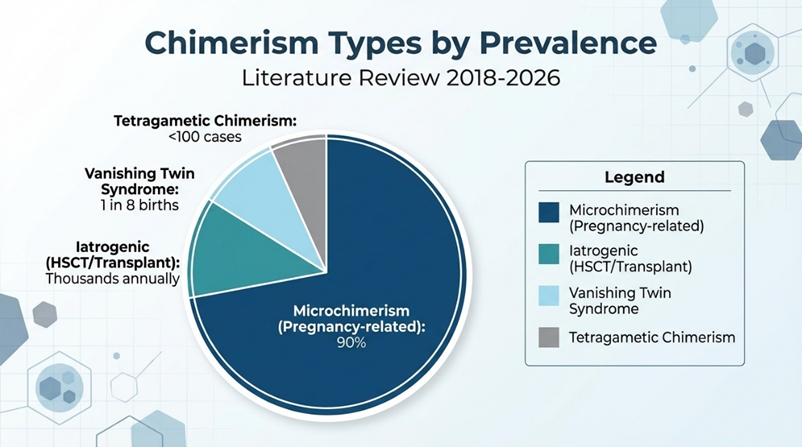
Downloads
Published
How to Cite
Issue
Section
License
Copyright (c) 2026 Israa M. Ali alameen, Nabil Amin

This work is licensed under a Creative Commons Attribution 4.0 International License.